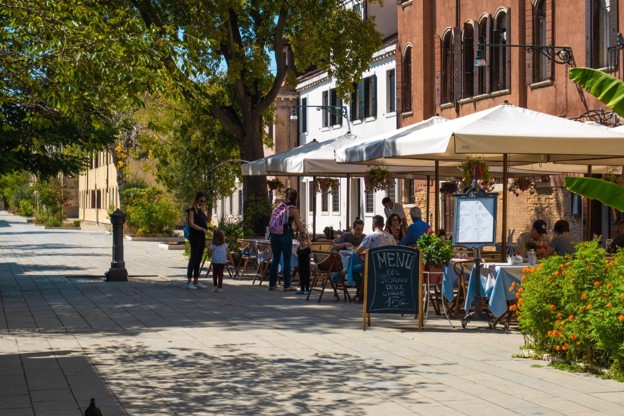
A city’s most recognizable landmarks often tell its official story, but its neighborhood restaurants reveal the one people live in every day. Edward Andrew Karpus explores why local dining establishments offer one of the most authentic ways to understand a destination, providing insight into its history, culture, traditions, and communities through the meals people prepare, the conversations they share, and the hospitality they extend. While guidebooks may highlight monuments and museums, it is often the neighborhood restaurant that captures the true rhythm of a place.
Travel has always been about more than checking famous attractions off an itinerary. Increasingly, travelers seek experiences that foster genuine connections with local culture, and few settings accomplish this more naturally than independently owned restaurants. Every menu reflects regional ingredients, family traditions, migration patterns, and generations of culinary knowledge that have shaped a community over time.
Every Neighborhood Has Its Own Story
Large cities are rarely defined by a single identity. Instead, they are collections of neighborhoods, each with its own history, architecture, traditions, and character.
Walking only a few blocks can reveal noticeable changes in:
- Culinary traditions
- Languages spoken
- Local businesses
- Architectural styles
- Community gatherings
- Daily routines
Neighborhood restaurants often serve as gathering places where these identities are preserved and celebrated, offering visitors an opportunity to experience the city beyond its most photographed locations.
Food Reflects the History of a Community
Every cuisine carries a story. Recipes evolve alongside migration, trade, geography, and local agriculture, making food an informal historical record of the communities that prepare it.
A neighborhood restaurant may reflect:
- Generations of family recipes
- Cultural traditions brought from abroad
- Regional cooking techniques
- Seasonal ingredients unique to the area
- Local adaptations developed over decades
Understanding these influences allows travelers to appreciate not only what they are eating but also the journey those dishes have taken across time and place.
Hospitality Reveals Local Values
Beyond the food itself, restaurants provide insight into how communities welcome guests and interact with one another.
Some neighborhoods are known for lively conversations between tables, while others emphasize quiet elegance or longstanding family traditions. These differences are rarely accidental. They reflect cultural values surrounding hospitality, relationships, and the role food plays in everyday life.
Paying attention to these small interactions often reveals just as much about a destination as visiting its historic landmarks.
Independent Restaurants Preserve Local Identity
In an increasingly globalized world, many cities share familiar retail brands and commercial districts. Neighborhood restaurants, however, often maintain distinctive identities rooted in local traditions.
Independent establishments frequently contribute by:
- Preserving regional recipes
- Supporting local farmers and producers
- Showcasing seasonal specialties
- Maintaining culinary traditions
- Strengthening neighborhood economies
These businesses help ensure that cities retain the characteristics that make them memorable long after visitors return home.
Conversations Become Part of the Experience
One of the unique qualities of neighborhood dining is the opportunity for genuine human interaction.
Whether speaking with restaurant owners, servers, chefs, or fellow diners, conversations often provide perspectives unavailable through travel guides or online reviews.
Travelers may learn about:
- Community history
- Local celebrations
- Hidden attractions
- Family traditions
- Regional customs
- Everyday life beyond tourism
These exchanges transform meals into meaningful cultural experiences rather than simple dining occasions.
Small Details Often Leave the Strongest Impressions
Memorable travel experiences are not always dramatic. Often, they are found in the subtle details that define a neighborhood restaurant.
A handwritten menu, the aroma of bread baking in the kitchen, photographs of multiple generations displayed on the walls, or regular customers greeting staff by name all contribute to a sense of place that cannot easily be replicated elsewhere.
These observations remind travelers that authenticity is often found in everyday moments rather than carefully curated attractions.
Exploring a City Through Its Culinary Landscape
Many experienced travelers intentionally organize parts of their itinerary around neighborhoods rather than individual attractions.
Visiting local restaurants naturally encourages exploration of:
- Residential streets
- Independent shops
- Public markets
- Community parks
- Local architecture
- Cultural institutions
Meals become starting points for discovering the broader character of each neighborhood, creating a more immersive travel experience.
Food Encourages Cultural Curiosity
Trying unfamiliar dishes often inspires broader curiosity about the people and traditions behind them.
A single meal may lead travelers to learn about:
- Regional agriculture
- Historical migration
- Religious traditions
- Local celebrations
- Family cooking practices
- Economic development
Food becomes an accessible introduction to understanding a culture without requiring formal study.
Supporting Communities Through Thoughtful Travel
Choosing neighborhood restaurants also contributes directly to local economies. Independent establishments often employ residents, purchase ingredients from nearby suppliers, and invest in the communities they serve.
For travelers, dining locally represents an opportunity to participate more meaningfully in the places they visit while helping preserve the unique businesses that give neighborhoods their identity.
Thoughtful travel is not simply about seeing new places but about engaging with them in ways that respect their character and support the people who call them home.
Bringing the Experience Home
The lessons gained from neighborhood restaurants often extend well beyond a vacation. Travelers frequently return with a deeper appreciation for regional ingredients, traditional cooking methods, and the role shared meals play in strengthening communities.
Perhaps more importantly, they return with a broader perspective, recognizing that every city possesses countless stories waiting to be discovered beyond its most famous landmarks.
Conclusion
Great cities are rarely understood through monuments alone. Their true character emerges through neighborhoods where everyday life unfolds, and neighborhood restaurants provide one of the most authentic windows into that experience. From preserving culinary traditions and supporting local communities to encouraging meaningful conversations and cultural understanding, these establishments offer far more than memorable meals.
The most rewarding journeys often begin not with a checklist of attractions but with a table in a neighborhood restaurant where the history, culture, and spirit of a city are served one meal at a time.